
If you run a VAT-registered business in Zimbabwe, you’ve probably heard the word “fiscalisation” thrown around — usually alongside “ZIMRA,” “FDMS,” and a deadline. Here’s what it actually means, in plain English, and what it means for how you sell.
What Fiscalisation Actually Means
Fiscalisation is the process of recording your sales through a fiscal device or fiscal software that transmits transaction data to the Zimbabwe Revenue Authority (ZIMRA) at the time of sale. It’s how ZIMRA tracks VAT in real time instead of relying only on periodic returns.
How FDMS Works
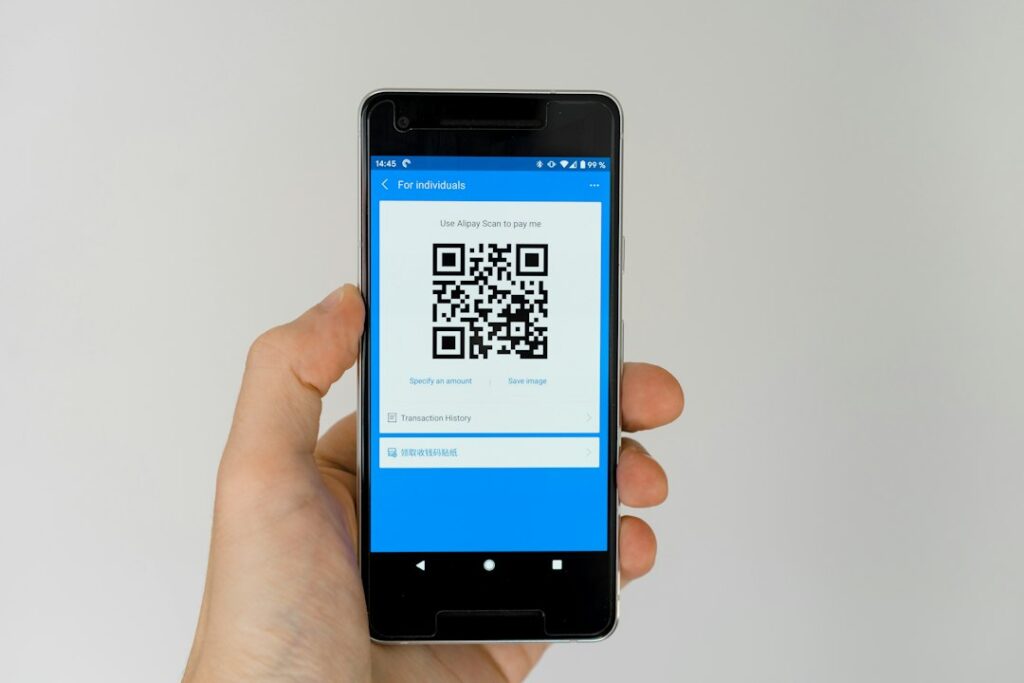
Since ZIMRA introduced the Fiscalisation Data Management System (FDMS), every fiscal tax invoice must carry a QR code and an authentication code. Anyone — a customer, an auditor, ZIMRA itself — can scan or look up that code on the FDMS portal and confirm the sale was genuinely recorded. This is what separates a fiscal receipt from an ordinary till slip.
Who Has to Fiscalise?
- All VAT-registered operators must fiscalise and interface with FDMS — this is the baseline rule.
- Fiscalisation obligations under the Income Tax Act can also apply to some businesses below the USD 25,000 VAT registration threshold, so smaller operators shouldn’t assume they’re automatically exempt.
- In practice, most B2B-facing businesses fiscalise regardless of the legal minimum, because corporate customers generally won’t pay against a non-fiscal invoice.
Fiscal Receipts vs. Ordinary Receipts
An ordinary receipt just confirms a sale happened between you and your customer. A fiscal receipt does that and reports the transaction to ZIMRA at the same time, with a verifiable QR code. Once you’re fiscalised, every qualifying sale needs to go through your fiscal device or fiscal software — you can’t selectively fiscalise some sales and not others.
Frequently Asked Questions
Do I need to buy a physical fiscal device?
Not necessarily. ZIMRA supports virtual fiscalisation, where compliant software — like a POS system — interfaces directly with FDMS through an API instead of a physical device.
What happens if I don’t fiscalise?
Non-compliance can bring penalties and affects your tax clearance certificate (ITF 263), which many customers and suppliers require before they’ll trade with you. We cover this in detail in our guide on fiscalisation penalties and tax clearance risk.
How do I get started?
Start by confirming your ZIMRA registration details are in order, then choose a compliance route. See our FDMS requirements checklist for the exact documents you’ll need.
This guide is for general information and isn’t a substitute for advice from ZIMRA or a registered tax practitioner about your specific obligations.
Fiscalise Without Buying a Fiscal Device
Tengai POS interfaces with ZIMRA FDMS as a virtual fiscalisation route — no separate hardware device to buy, install or maintain. QR-verified fiscal receipts print straight from the same app you use to run sales, stock and staff. See pricing or chat to our Harare-based support team to get started.